

Osteoporosis is often silent: until a bone breaks
Osteoporosis is a disease that makes bones weaker and more likely to break. In many cases, there are no obvious symptoms, and individuals may not know they have it until a fracture occurs. In 2017-2018, the CDC estimated that 12.6% of U.S. adults age 50 and older had osteoporosis in the hip or lower spine, and 43.1% had low bone mass in one or both sites.
What does osteoporosis mean for everyday life?
When bones lose strength, an event that might otherwise cause a bruise, such as a fall from standing height, can cause a bone to break. These breaks are often called fragility fractures and most often occur in the hip, spine, and forearm.
A fracture after a minor fall may be a warning sign: If you have broken a bone from a fall at standing height or lower, ask your doctor whether osteoporosis or another bone loss condition could be part of the reason.
Learn more: National Institute of Arthritis and Musculoskeletal and Skin Diseases
Falls are common, but they are worth talking about
Falls are the leading cause of injury among adults age 65 and older. Even when a fall does not cause immediate injury, it can offer important information about balance, mobility, medications, vision, and your surroundings.
Tell your doctor if you have fallen, nearly fallen, or feel unsteady. A fall history can help your care team understand your risk and decide what steps may be appropriate for you.
Bring up any changes you have noticed with your doctor:
A recent fall, repeated falls, or near-falls
New difficulty with walking, strength, or balance
Dizziness or unsteadiness after a medication change
Changes in vision, foot pain, or footwear
Loose rugs, poor lighting, stairs, or other hazards at home
Learn more: CDC fall-prevention for older adults
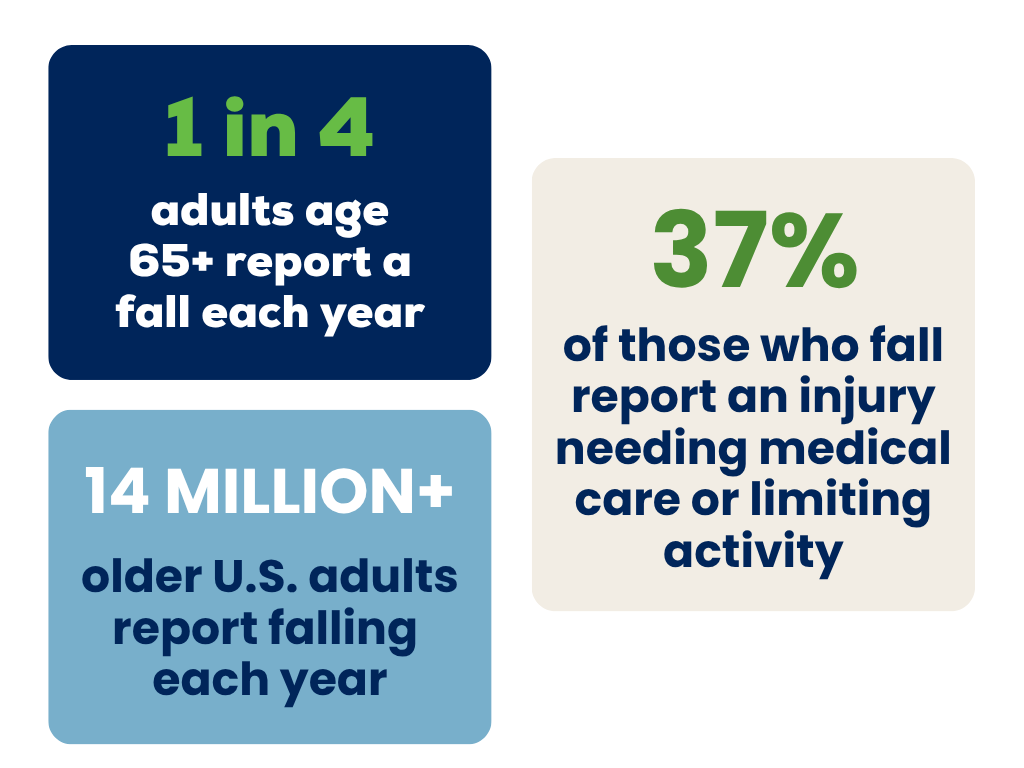
Source: CDC Older Adult Falls Data (updated February 2026).
Hip fractures
A fall creates force and bones must be strong enough to withstand it. When osteoporosis has reduced bone strength, the impact of a fall can be more likely to result in a fragility fracture. Falls don’t affect everyone the same way: bone strength and quality, the direction and force of the fall, and a person’s overall health all play a role. That’s why it helps to look at bone health and fall history together. Treating osteoporosis, addressing fall risks, and talking with your doctor about ways to reduce the risk of a major hip injury can all be part of a broader care plan.
The effects of a hip fracture can reach beyond the bone
A hip fracture can be painful and disruptive to daily life. It may mean a change in mobility or adjusting how independently they are able to live at home, and it can affect overall health. Recovery often involves loved ones too with family members and caregivers helping with transportation, personal care, and other changes along the way.
Learn more: Fragility fractures and their consequences
Could Tango Belt be part of your care plan?
If you have osteoporosis or another bone loss condition, broken a bone after a minor fall, or have fallen recently, tell your healthcare professional. A clearer picture of your bone health and fall history can help you discuss the right plan for you.

Additional resources
1. CDC: Osteoporosis or Low Bone Mass in Older Adults - United States, 2017-2018
2. NIAMS: Osteoporosis overview, symptoms, causes, diagnosis, and treatment
3. International Osteoporosis Foundation: Fragility fractures
4. CDC: Older Adult Falls Data
5. CDC: About Older Adult Fall Prevention
6. Bone Health & Osteoporosis Foundation: Patient education and information
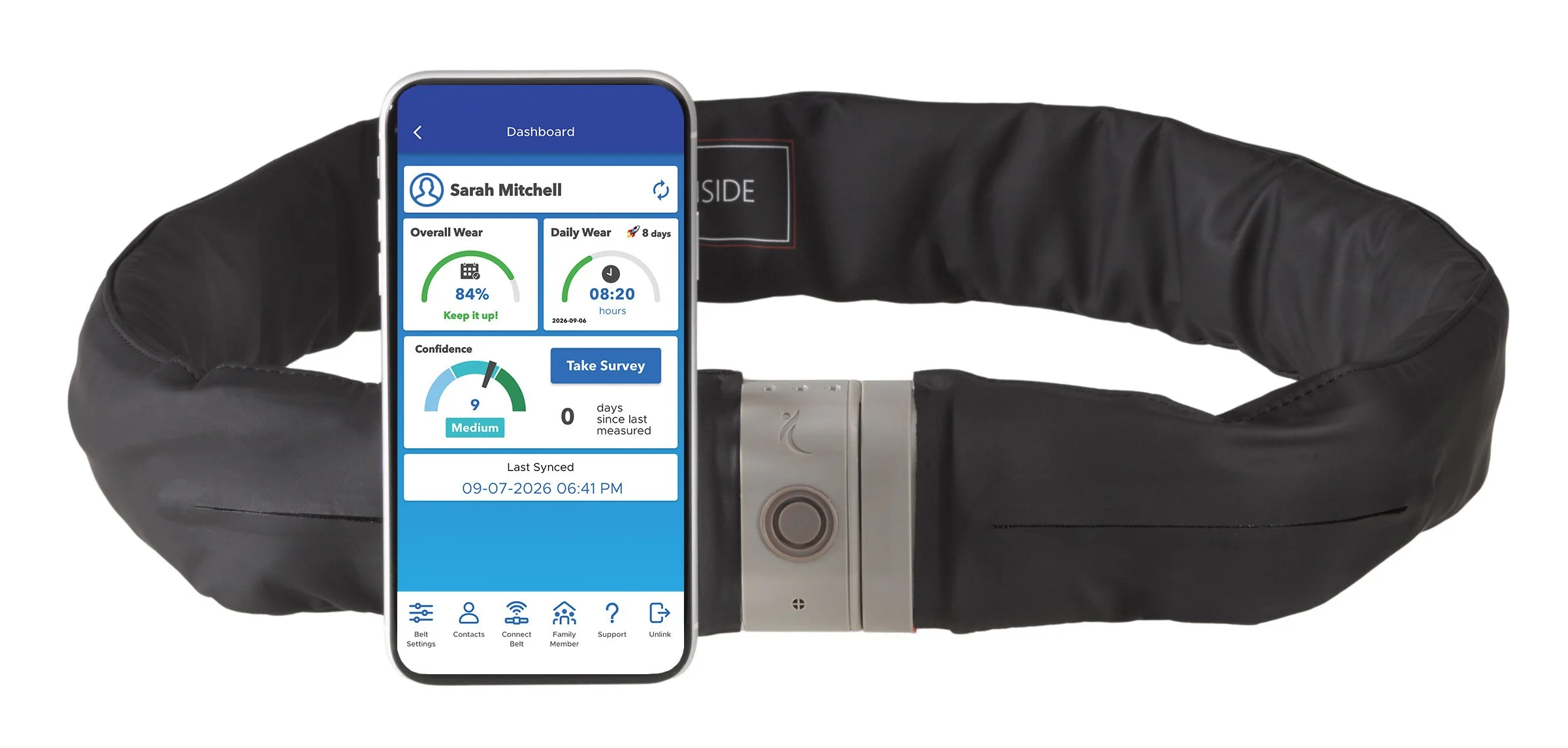
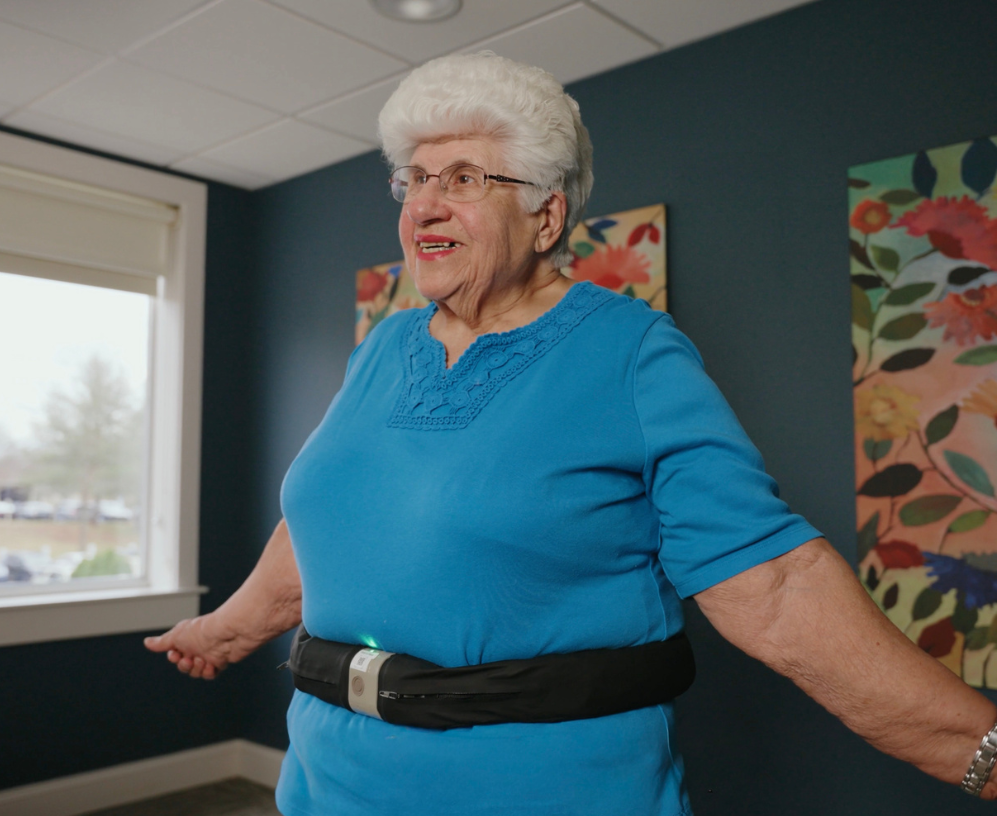
Tango Belt is an FDA-authorized, prescription-only wearable medical device for older adults at risk of major hip injury due to falls. It is intended to be used alongside standard care when prescribed by a healthcare professional. Tango Belt monitors movement and is designed to identify a serious hip-impacting fall in progress.
Tango Belt does not prevent falls. It helps reduce the risk of major hip injury during serious hip-impacting falls.
This page is for informational purposes only and is not a substitute for professional medical advice, diagnosis, or treatment. Tango Belt is available by prescription only. A healthcare professional should determine whether Tango Belt is appropriate based on the patient’s clinical history and risk factors.